

Customer feedback can tell you a lot about what is working in your business and what needs to improve. The challenge is that feedback can come from many different places, including online reviews, surveys, support tickets, chat conversations, emails, and social media comments.
For a small business, reading hundreds of customer responses manually can take hours. AI customer feedback software can make this process much easier. These tools can analyze large amounts of written feedback, identify common themes, detect customer sentiment, and highlight issues that deserve attention.
For example, instead of manually reading 500 survey responses, an AI-powered feedback tool can help you identify the most common complaints, understand why customers are unhappy, and find positive comments about your products or services.
In this guide, I compare 10 AI customer feedback tools that businesses can consider in 2026. I will look at what each tool does best, its main features, advantages, limitations, pricing approach, and the type of business it may suit.
I have focused on practical differences rather than simply listing features. Some tools are better for collecting surveys, while others are designed for analyzing support conversations, reviews, or large amounts of open-ended feedback.
Before choosing a tool, think about where most of your customer feedback comes from and how much data your business actually needs to analyze. The best option is not necessarily the most powerful platform. It is the one that fits your workflow, budget, and feedback volume.
Editor’s Choice
There is no single AI customer feedback tool that is best for every small business. The right choice depends on how you collect feedback, where your customer conversations happen, and how much data you need to analyze.
Here are the standout options from this list:
Best Overall: Survicate
Best for: Small businesses that want to collect customer feedback and analyze it in one place.
Survicate is a strong all-around option because it combines surveys and feedback collection with AI-powered analysis. It can help businesses identify common themes and understand customer sentiment without requiring a complicated setup.
It is a good starting point for businesses that want a relatively simple feedback system rather than a large enterprise customer experience platform.
Best for Conversational Surveys: SurveySparrow
Best for: Businesses that want to make surveys feel more conversational.
SurveySparrow focuses heavily on survey collection and offers a chat-like survey experience. Its AI capabilities can help analyze responses and identify patterns in customer feedback.
It may be a good fit if your biggest challenge is getting customers to complete surveys rather than analyzing feedback from dozens of different sources.
Best for Growing Businesses: Zonka Feedback
Best for: Growing businesses that need feedback collection across multiple channels.
Zonka Feedback supports feedback collection through channels such as surveys, websites, email, SMS, kiosks, and other touchpoints. Its analytics and reporting features can help growing teams organize customer responses and identify recurring issues.
It is worth considering if you need more than a basic survey tool but do not want to start with a large enterprise CX platform.
Best for Enterprise Customer Experience: Qualtrics XM
Best for: Larger organizations with complex customer experience programs.
Qualtrics XM is much more than a simple customer feedback tool. It provides a broader experience management platform with advanced analytics, integrations, and tools for managing customer experience at scale.
For a very small business, it may offer more functionality than necessary. However, companies expecting significant growth or managing large volumes of customer data may find its broader capabilities useful.
Best for Support Ticket Analysis: SentiSum
Best for: Businesses that receive most of their customer feedback through support conversations.
SentiSum focuses on analyzing customer support data. It can categorize conversations, identify common reasons customers contact support, and analyze sentiment.
If your customer feedback is mainly hidden inside a helpdesk rather than traditional surveys, a support-focused tool like SentiSum may be more useful than a survey-first platform.
Best AI Customer Feedback Tools Compared
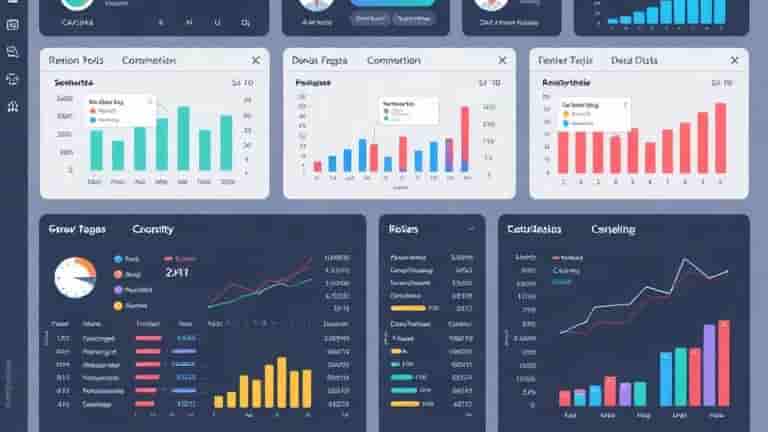
The table below gives you a quick way to compare the leading AI customer feedback tools for small businesses in 2026.
| Tool | Best For | AI Feedback Analysis | Free Option | Pricing |
|---|---|---|---|---|
| Survicate | Overall feedback collection and analysis | Yes | Yes | Free and paid plans |
| Zonka Feedback | Growing businesses | Yes | Yes | Free and paid plans |
| SurveySparrow | Conversational surveys | Yes | Trial available | Paid plans |
| SentiSum | Support ticket analysis | Yes | No | Custom |
| Chattermill | Multi-source feedback analysis | Yes | No | Custom |
| Thematic | Open-ended feedback analysis | Yes | No | Custom |
| Qualtrics XM | Enterprise customer experience | Yes | No | Custom |
| Medallia | Advanced text and sentiment analysis | Yes | No | Custom |
| Sprig | Product feedback and user research | Yes | Limited | Paid plans |
| UserVoice | Product feedback and feature requests | Yes | Trial available | Paid plans |
Which Tool Should You Choose?
If you want a simple starting point for collecting and analyzing customer feedback, Survicate is worth considering.
If you need conversational surveys, SurveySparrow is a better fit.
For businesses collecting feedback across multiple channels, Zonka Feedback can be a useful option.
If most of your customer feedback comes through support tickets, SentiSum is more specialized.
For businesses dealing with large amounts of unstructured feedback, Chattermill and Thematic are worth evaluating.
Larger organizations with complex customer experience programs may prefer Qualtrics XM or Medallia, although these platforms can be more than a small business needs.
For product teams that mainly want to understand how users interact with their product and collect product feedback, Sprig or UserVoice may be more appropriate than a traditional survey platform.
Important: Pricing, free plans, AI features, usage limits, and available integrations can change. Check the provider’s current pricing and feature pages before making a purchase.
Why Small Businesses Need AI Customer Feedback Tools in 2026
Customer feedback is useful, but collecting it is only the first step. The real challenge is turning hundreds or thousands of comments into information that a business can actually use.
A small business might receive feedback through online reviews, surveys, emails, support tickets, live chat, or social media. Reading every response manually can become difficult as the business grows.

AI-powered feedback software can help by processing this information much faster. Instead of simply showing you individual comments, these tools can identify recurring topics, analyze sentiment, summarize responses, and highlight issues that appear frequently.
For example, if customers repeatedly complain about slow delivery, an AI feedback tool can group those comments together and show that delivery is becoming a recurring problem. Positive comments can also reveal what customers value most about your business.
What Should a Good AI Customer Feedback Tool Do?
When comparing AI customer feedback software, focus on the features that can actually help your business understand and act on customer feedback.
A useful tool should be able to:
Collect customer feedback from relevant sources such as surveys, websites, email, support systems, or online reviews.
Analyze customer responses and identify whether the feedback is positive, negative, or neutral.
Group similar comments into common themes and topics.
Identify recurring complaints, customer requests, and potential problems.
Summarize large amounts of feedback so you can understand the main issues quickly.
Track feedback trends over time and show whether customer satisfaction is improving or declining.
Integrate with the software your business already uses when those integrations are available.
You do not need every feature. A small business receiving a few dozen responses each month may only need a simple survey and feedback analysis tool. A business handling thousands of reviews or support conversations may benefit from more advanced AI analysis.
The right tool should fit the way your business collects feedback, the amount of data you receive, your budget, and how your team plans to use the results.
If you’re also looking for ways to automate customer questions and support, see our guide to theAI chatbots for small business
1. Survicate
Best Overall AI Customer Feedback Tool for Small Businesses
Survicate is a strong all-around option for businesses that want to collect customer feedback and use AI to analyze it. It combines surveys with feedback analysis, allowing businesses to bring information from different sources into one place.
Its current Research Hub can analyze feedback from surveys, support tickets, app reviews, interviews, calls, emails, and other sources. AI can automatically identify themes, detect sentiment, and surface patterns across customer feedback.
Survicate also includes an AI Research Assistant that lets you ask questions about your feedback in natural language. For example, you can ask what customers are unhappy about or which issues appear most frequently. The answers can be traced back to the underlying customer feedback, which makes it easier to verify the results.
Best For: Small businesses and product teams that want to collect feedback and analyze customer opinions from multiple sources.
Key Features
- Collect customer feedback through surveys and other feedback channels.
- Use AI to categorize open-ended feedback into themes.
- Analyze customer sentiment and identify recurring issues.
- Bring feedback from sources such as surveys, support tickets, app reviews, interviews, and calls into one research workspace.
- Ask questions about customer feedback using the AI Research Assistant.
- Track themes and patterns over time.
- Create reports and dashboards based on customer feedback.
- Use AI-generated follow-up questions to get more detailed responses from survey participants.
Pros
- Easy to combine survey data with feedback from other sources.
- Strong AI-powered analysis for open-ended customer feedback.
- Research Assistant makes it easier to explore large amounts of feedback.
- Insights can be traced back to the original feedback, which is useful when checking AI-generated conclusions.
- Suitable for businesses that want both feedback collection and analysis in the same platform.
Cons
- Some advanced AI analysis features depend on the plan you choose.
- Businesses with very simple feedback needs may not need all of its research features.
- The platform can become more valuable as your feedback volume and number of sources increase.
Our Take
Survicate is a good starting point if you want one platform for both customer feedback collection and AI-powered analysis. It is particularly useful when feedback is spread across surveys, reviews, support conversations, and other sources.
If your business mainly needs simple surveys, a less feature-rich tool may be enough. But if you want to understand patterns across different types of customer feedback, Survicate is one of the stronger options to consider in 2026.
2. Zonka Feedback
Best AI Customer Feedback Tool for Growing Businesses
Zonka Feedback is designed for businesses that need more than a basic survey tool. It supports feedback collection across multiple channels and provides analytics to help teams understand what customers are saying.
For growing businesses, one useful advantage is the ability to collect feedback through different touchpoints instead of relying on a single survey. You can use channels such as email, SMS, website surveys, QR codes, kiosks, and in-app feedback.
The platform also provides AI-powered analysis for customer responses, including sentiment and theme analysis. This can help businesses identify recurring complaints, understand customer opinions, and find areas that need attention.
Best For
Growing businesses that need multi-channel feedback collection and AI-powered analysis without starting with a large enterprise customer experience platform.
Key Features
– Collect customer feedback through email, SMS, web surveys, QR codes, kiosks, and in-app channels.
– Analyze open-ended responses using sentiment and text analysis.
– Identify common themes and patterns in customer feedback.
– Monitor feedback through dashboards and reports.
– Set up alerts so teams can respond to important customer issues.
– Collect feedback at different stages of the customer journey.
Pros
– Supports multiple feedback collection channels.
– Useful for businesses that are expanding their customer feedback programs.
– Combines feedback collection with analytics and reporting.
– Can be used for both online and offline feedback collection.
– Offers features designed for teams that need more than basic surveys.
Cons
– Some businesses may find the range of features unnecessary if they only need simple surveys.
– Advanced functionality can require a higher-tier plan.
– Larger feedback programs may need time to configure dashboards and workflows.
Our Take
Zonka Feedback is worth considering if your business is growing and customer feedback is coming from several different places. It makes more sense for a company that needs a broader feedback system than for someone who simply wants to create an occasional survey.
If you mainly want a simple survey and AI analysis tool, Survicate may be easier to start with. If you need feedback collection across multiple channels as your business grows, Zonka Feedback is a stronger option to evaluate.
3. Qualtrics XM
Best AI Customer Feedback Platform for Businesses Planning to Scale
Qualtrics XM is a broader customer experience platform rather than a simple survey or feedback tool. It is designed to collect and analyze customer information across multiple channels, including surveys, contact centers, digital experiences, online reviews, and social channels.
Its AI capabilities can automatically identify topics and patterns in customer feedback and help businesses understand where customers are experiencing problems. Qualtrics also offers AI-powered recommendations and tools designed to help teams take action after identifying an issue.
For a small business with only a small amount of feedback, Qualtrics may be more platform than you need. But if your company is growing quickly and expects to manage large amounts of customer data across different channels, its broader capabilities can become more useful.
Best For
Growing and larger businesses that need a comprehensive customer experience platform with advanced feedback analysis.
Key Features
– Collect customer feedback from surveys, digital experiences, contact centers, reviews, and social channels.
– Use automated text analytics to identify emerging topics in customer feedback.
– Analyze customer sentiment and understand the reasons behind customer issues.
– Combine feedback from different channels in one customer experience platform.
– Use AI-powered recommendations to identify important friction points.
– Create dashboards and reports for different teams.
– Connect customer feedback with other business systems and workflows.
– Use AI-powered Experience Agents to help respond to and resolve certain customer issues.
Pros
– Very powerful feedback and customer experience analysis capabilities.
– Supports multiple feedback channels rather than relying only on surveys.
– Strong AI capabilities for analyzing structured and unstructured customer data.
– Suitable for businesses that expect their customer experience program to become more complex.
– Offers extensive integrations and workflow capabilities.
Cons
– It can be more complicated than a small business needs.
– Advanced customer experience products generally require a larger budget and more setup.
– Pricing varies by product and usage. Many CX solutions require a quote, although Qualtrics also offers some self-service options.
– Smaller teams may find simpler tools easier to learn and manage.
Our Take
Qualtrics XM is a powerful option, but I would not automatically recommend it to every small business.
If you only need to send surveys and understand a few hundred responses, a simpler tool such as Survicate, Zonka Feedback, or SurveySparrow may be a better starting point.
Qualtrics becomes more interesting when your business needs to bring together feedback from multiple channels, analyze large amounts of customer data, and build a more advanced customer experience program.
For a small business planning significant growth, it is worth knowing about. For a very small team with basic feedback needs, it may be unnecessary.
Click to read Best Ai tools for social media management
4. Medallia
Best for Advanced Customer Feedback and Text Analytics
Medallia is an experience management platform that helps organizations collect, analyze, and act on customer feedback. It can process information from surveys, digital interactions, contact centers, social channels, and other customer touchpoints.
Its AI and text analytics capabilities can help identify sentiment, topics, and customer intent from unstructured feedback. This makes it useful for businesses that receive a large amount of written customer feedback and need to find patterns that may be difficult to spot manually.
Best For
Businesses that need advanced customer experience analytics and have enough feedback data to justify a broader CX platform.
Key Features
– AI-powered analysis of customer feedback.
– Sentiment and topic analysis for unstructured text.
– Feedback collection across multiple channels.
– Customer experience dashboards and reporting.
– Automated identification of important customer issues.
– Tools for routing feedback to the appropriate teams.
– Integrations with other business systems.
Pros
– Strong capabilities for analyzing large amounts of customer feedback.
– Suitable for complex customer experience programs.
– Supports multiple feedback sources.
– Useful for identifying patterns in unstructured customer comments.
Cons
– It can be more complex than a small business needs.
– Pricing is generally tailored to the organization’s requirements.
– Implementation may require more time and resources than a simple survey platform.
Our Take
Medallia is worth considering when customer feedback has become too large or complex to manage with a basic survey tool. For a small business with limited feedback, however, a simpler platform may provide better value and be easier to manage.
5. SurveySparrow
Best for Conversational Surveys and AI Feedback Analysis
SurveySparrow is a customer feedback platform that combines conversational surveys with AI-powered feedback analysis. Instead of relying only on traditional forms, businesses can create surveys that feel more like a conversation, which can make the feedback experience easier for customers.
Its AI features go beyond basic survey reporting. CogniVue analyzes open-ended feedback and can identify themes, sentiment, and key drivers behind customer ratings. The platform also offers Co-Pilot, which lets users ask questions about their survey data and generate summaries and insights.
SurveySparrow’s newer AI Suite also includes Echo AI, which can ask contextual follow-up questions to understand the reasons behind customer responses, and Enrich AI, which can categorize open-ended responses into structured data.
Best For
Small businesses and customer experience teams that want engaging surveys combined with AI-powered analysis.
Key Features
– Conversational survey builder for customer feedback.
– AI-powered CogniVue for theme, sentiment, and key-driver analysis.
– Co-Pilot for asking questions about survey data and generating summaries.
– Echo AI for contextual follow-up questions.
– Enrich AI for automatically categorizing open-ended responses.
– Survey distribution through channels such as email, SMS, web, QR codes, and other supported channels.
– Dashboards and reports for monitoring feedback and customer experience.
– Integrations with popular business and productivity tools.
Pros
– Strong combination of survey collection and AI analysis.
– Conversational surveys can provide a more engaging customer experience.
– CogniVue can identify themes and sentiment from large amounts of open-ended feedback.
– Co-Pilot makes survey data easier to explore without manually going through every response.
– SurveySparrow currently offers a free plan, making it possible to try the platform before committing to a paid plan.
Cons
– Businesses that only need a basic survey tool may not need all of its AI capabilities.
– Some advanced AI features may depend on the plan or setup.
– Businesses looking primarily for support-ticket analysis may find a specialized tool such as SentiSum more suitable.
Our Take
SurveySparrow is a strong choice if you want to collect customer feedback and analyze it with AI in the same platform.
Its biggest advantage is the combination of conversational surveys and deeper analysis. CogniVue can help identify what customers are talking about, how they feel about different topics, and which issues are influencing customer satisfaction.
For a small business that mainly uses surveys to understand customers, SurveySparrow is one of the more complete options in this list.
6. Chattermill
Best for Analyzing Feedback from Multiple Sources
Chattermill is designed to bring customer feedback from different sources together and analyze it using AI. Instead of looking at survey responses, reviews, or support conversations separately, businesses can use the platform to identify common themes and sentiment across multiple feedback sources.
This can be particularly useful for consumer-facing businesses where customers talk about the company in many different places.
Best For
Businesses that receive a high volume of customer feedback across reviews, surveys, support conversations, and other channels.
Key Features
– Combines feedback from multiple sources.
– AI-powered theme and sentiment analysis.
– Identifies recurring customer issues.
– Helps teams monitor changes in customer sentiment.
– Supports feedback analysis across customer journeys.
– Provides dashboards and reporting.
Pros
– Useful for combining feedback from different sources.
– Helps identify patterns that may be missed when each source is analyzed separately.
– Well suited to businesses with large volumes of customer feedback.
– Can help teams prioritize recurring customer problems.
Cons
– May be more than a small business needs if feedback volume is low.
– Advanced functionality can require more setup.
– Pricing is not designed around a simple low-cost survey model.
Our Take
Chattermill is most useful when customer feedback is spread across several systems and the business has enough data to benefit from centralized analysis.
If you only collect occasional surveys, you may get better value from a simpler feedback platform.
7. Thematic
Best for Open-Ended Customer Feedback
Thematic focuses on a problem many businesses have: customers write detailed comments, but nobody has enough time to read and categorize every response manually.
The platform uses AI to analyze open-ended feedback and identify the topics customers are discussing. It can help businesses understand not only whether customers are happy or unhappy, but also why they feel that way.
Best For: Businesses with a large number of open-ended survey responses, reviews, or customer comments.
Key Features
– AI-powered analysis of open-ended feedback.
– Automatic identification of recurring themes.
– Sentiment analysis connected to specific topics.
– Trend analysis over time.
– Tools for identifying the reasons behind customer satisfaction or dissatisfaction.
– Feedback analysis across different data sources.
Pros
– Strong focus on unstructured customer feedback.
– Helps turn large amounts of written feedback into understandable themes.
– Useful for identifying the reasons behind customer complaints.
– Can help teams prioritize the issues customers mention most frequently.
Cons
– It may not be necessary for businesses with a small amount of feedback.
– Advanced analysis is more useful as feedback volume increases.
– Pricing may require contacting the company rather than choosing a simple public plan.
Our Take
Thematic makes the most sense when your business already has a substantial amount of written customer feedback. If your main need is simply collecting surveys, you may not need a specialized text-analysis platform.
8. SentiSum
Best AI Tool for Customer Support Feedback Analysis
SentiSum takes a different approach from survey-first platforms. It focuses heavily on customer support conversations and helps businesses understand why customers are contacting their support teams.
The platform can automatically categorize support conversations, identify recurring issues, and analyze customer sentiment. This can turn a support inbox into a useful source of customer insight.
Best For: Businesses where most customer feedback comes through support tickets, email conversations, or live chat.
Key Features
– Automatically categorizes customer support conversations.
– Identifies common contact reasons and recurring problems.
– Analyzes customer sentiment.
– Helps identify the root causes behind support requests.
– Provides reporting and dashboards.
– Integrates with popular customer support systems.
Pros
– Turns support conversations into useful customer feedback data.
– Helps identify recurring problems and their root causes.
– Useful for businesses that do not regularly run customer surveys.
– Can help support teams understand why contact volume is increasing.
Cons
– Less useful if most of your feedback comes from surveys or online reviews.
– Businesses with very small support volumes may not need a specialized tool.
– Pricing may require a custom quote.
Our Take
SentiSum is a strong choice when your support inbox contains more useful customer information than your survey forms. It can help you move beyond simply answering tickets and start identifying the problems that cause customers to contact support in the first place.
9. Sprig
Best for Product Feedback and User Research
Sprig is focused more on product experience and user research than traditional customer survey software. It helps product teams collect feedback from users while they interact with a website or application.
This makes it useful for businesses that want to understand how customers use their digital products, where they encounter problems, and what improvements they would like to see.
Best For
Software companies, startups, and digital businesses that want to combine user research with product feedback.
Key Features
– In-product surveys and feedback collection.
– User research and usability testing.
– Feedback analysis and insights.
– Session and product experience research.
– Tools for collecting qualitative user feedback.
– Product research workflows for teams.
Pros
– Strong focus on product and user experience.
– Useful for collecting feedback directly inside digital products.
– Can help product teams understand customer behavior and opinions.
– More focused on product research than traditional survey platforms.
Cons
– May not be the right choice for businesses that mainly need review or support-ticket analysis.
– Some features are more relevant to product teams than general small businesses.
– Businesses without a digital product may get limited value from it.
Our Take
Sprig is worth considering if your business operates a website, SaaS product, or mobile application and you want to understand how users experience it.
For a local business mainly collecting Google reviews or customer surveys, a traditional feedback platform will probably be more appropriate.
10. UserVoice
Best for Product Feedback and Feature Requests
UserVoice is designed to help businesses collect, organize, and manage customer feedback about their products. It is particularly useful when customers frequently request new features or report problems with an existing product.
Instead of allowing product requests to become scattered across emails and support conversations, UserVoice can provide a more organized way to collect and prioritize them.
Best For
Software companies and product teams that need to manage customer requests and decide which product improvements to prioritize.
Key Features
– Customer feedback and feature request collection.
– Product feedback portals.
– Feedback categorization and organization.
– Tools for identifying popular customer requests.
– Product management and prioritization workflows.
– Reporting and feedback analysis.
Pros
– Strong focus on product feedback.
– Helps organize feature requests in one place.
– Useful for product teams working directly with customers.
– Can help identify which requests are important to customers.
Cons
– More specialized than a general customer survey platform.
– May not be necessary for businesses without a software or digital product.
– Businesses mainly interested in sentiment analysis across reviews may prefer another tool.
Our Take
UserVoice is a better fit for product-led businesses than for a traditional small business that simply wants to measure customer satisfaction.
If your customers regularly ask for new features or improvements, it can help organize those requests and give your product team a clearer picture of what customers want.
What About Delighted and MonkeyLearn?
You may see Delighted and MonkeyLearn in older articles about customer feedback software. I have not included them in the main list because they are no longer standalone options that new customers can evaluate in the same way.
Delighted was sunset by Qualtrics in 2026, so it should not be presented as an active recommendation for new customers.
MonkeyLearn was acquired by Medallia and its technology was integrated into Medallia’s platform rather than continuing as the same independent product.
This is worth checking when researching older software lists. A tool that was a good recommendation a few years ago may no longer be available as a standalone service.
For this reason, the current list focuses on products that businesses can evaluate today rather than keeping discontinued tools in the top 10 simply because they appear frequently in older search results.

Looking for an easier way to create proposals? Check out our guide to the Best free Ai proposal generator tools for small businesses
How to Choose the Best AI Feedback Software for Small Businesses
How to Choose the Best AI Customer Feedback Software for Your Small Business
Choosing an AI customer feedback tool becomes easier when you start with the type of feedback your business already receives. You do not need the platform with the most features. You need one that solves your particular problem.
1. Identify Where Your Feedback Comes From
First, look at where customers usually share their opinions.
If you mainly collect feedback through surveys, Survicate, SurveySparrow, or Zonka Feedback may be a good place to start.
If most of your feedback comes through customer support tickets and conversations, SentiSum may be a better fit.
If your business receives feedback from several sources, including reviews, surveys, and support conversations, consider a multi-source platform such as Chattermill.
2. Consider How Much Feedback You Receive
The amount of feedback you receive should influence your choice.
If you only receive a few dozen responses each month, a simple tool may be enough. You probably do not need a large customer experience platform.
If your business receives hundreds or thousands of responses, reviews, or support conversations, AI-powered theme and sentiment analysis can save much more time.
3. Check the AI Features You Actually Need
Not every AI feedback tool does the same thing.
Some are mainly designed to analyze sentiment. Others identify themes, summarize responses, categorize support tickets, or help product teams understand feature requests.
Before choosing a platform, decide which of these problems you actually want to solve.
4. Check Integrations
A feedback tool is more useful when it works with the software you already use.
Check whether the platform integrates with your survey software, CRM, helpdesk, email system, analytics tools, or other important applications.
If your customer feedback is already stored in another system, make sure you can import or connect that data before signing up.
5. Test the Tool With Real Customer Feedback
Whenever possible, test the software using real examples from your business.
AI analysis can look impressive in a product demonstration, but what matters is how accurately it understands your customers.
Look at whether it correctly identifies:
– Positive and negative sentiment
– Common complaints
– Repeated themes
– Customer requests
– Urgent issues
– The reasons behind customer dissatisfaction
6. Compare the Total Cost
Do not look only at the advertised starting price.
Check response limits, users or seats, AI usage, integrations, data limits, and the features included in each plan.
A low starting price may not remain inexpensive when your feedback volume increases.
7. Think About Who Will Use It
A powerful platform is not useful if nobody on your team has time to manage it.
Small businesses often benefit from tools that are easy to set up and understand. Larger teams may be willing to spend more time configuring dashboards, integrations, and workflows if the additional analysis provides enough value.
8. Look for an Active Product
Customer feedback software can change quickly. Products can be acquired, renamed, integrated into larger platforms, or discontinued.
The history of Delighted and MonkeyLearn is a good reminder to check whether a product is still actively maintained before building your workflow around it.
The Bottom Line
The best AI customer feedback software depends on your business, not simply on the number of features a tool offers.
Choose a platform that matches where your feedback comes from, how much feedback you receive, what you want AI to analyze, your budget, and the people who will use the results.
Starting with a simple tool and upgrading when your needs grow is often a better approach than paying for a large customer experience platform from the beginning.

Final Thoughts
The best AI customer feedback software depends on where your customers are sharing their opinions and what you want to learn from that feedback.
For businesses that want to collect feedback and analyze it in one place, Survicate is a strong starting point. Zonka Feedback is worth considering if you need feedback collection across multiple channels as your business grows.
If surveys are your main source of customer feedback, SurveySparrow offers a conversational approach. If most of your useful feedback is hidden inside customer support conversations, SentiSum may be a better fit.
For businesses dealing with feedback from several different sources, Chattermill can help bring those conversations together. Thematic is another option when the main challenge is understanding large amounts of open-ended feedback.
Larger organizations with more complex customer experience requirements can look at platforms such as Qualtrics XM and Medallia. Product-focused businesses may find Sprig or UserVoice more relevant.
You do not need the most expensive or feature-heavy platform to get value from customer feedback. Start with the problem you are trying to solve, test a suitable tool with your own data, and choose the platform that helps your team turn customer comments into practical improvements.
The goal is simple: understand what your customers are saying, identify the issues that matter most, and use those insights to improve your business.
Frequently Asked Questions
What are the best AI tools for analyzing customer feedback?
Some of the options worth considering in 2026 include Survicate, Zonka Feedback, SurveySparrow, Chattermill, Thematic, and SentiSum. The best choice depends on where your feedback comes from and what type of analysis you need.
What is AI customer feedback software?
AI customer feedback software uses artificial intelligence and natural language processing to analyze customer comments, survey responses, reviews, support conversations, and other forms of feedback. Depending on the platform, it can identify sentiment, group similar responses into themes, summarize feedback, and highlight recurring issues.
Which AI feedback tools are good for small businesses?
Survicate, Zonka Feedback, and SurveySparrow are good starting points for small businesses that primarily collect customer feedback through surveys and other direct channels.
If your business receives most of its feedback through support tickets, SentiSum may be a better fit. Businesses with larger amounts of feedback from multiple sources can also consider Chattermill or Thematic.
Can AI analyze customer reviews?
Yes. Some customer feedback platforms can analyze written reviews and identify patterns such as common complaints, positive experiences, and recurring topics.
However, the exact review sources supported depend on the software. Before choosing a tool, check whether it can connect to the review platforms your business actually uses.
Can AI analyze survey responses?
Yes. Many AI-powered feedback platforms can analyze open-ended survey responses. They can identify common themes, summarize large groups of answers, and analyze customer sentiment.
Tools such as Survicate, Zonka Feedback, and SurveySparrow are particularly relevant if surveys are your main source of customer feedback.
What is sentiment analysis in customer feedback?
Sentiment analysis is the process of using software to determine the general emotional tone of customer feedback.
For example, an AI system may classify a comment as positive, negative, or neutral. More advanced tools can also connect sentiment to specific topics, helping businesses understand why customers are satisfied or dissatisfied.
Are AI customer feedback tools accurate?
AI analysis can be useful, but it should not be treated as perfect. Results can depend on the quality of the feedback, the language customers use, and the way the software categorizes responses.
For important business decisions, it is a good idea to review some of the original customer comments rather than relying only on an automated summary.
Which tool is best for customer support feedback?
If most of your feedback comes from customer support tickets or conversations, SentiSum is one of the more specialized options in this list.
It focuses on analyzing support conversations and identifying the reasons customers contact a support team.
Are Qualtrics XM and Medallia suitable for small businesses?
They can be, but they may provide more functionality than a small business needs.
Qualtrics XM and Medallia are broader customer experience platforms designed to handle complex feedback programs and large amounts of data. A smaller company with simple feedback needs may find a lighter platform easier and more cost-effective.
Are Delighted and MonkeyLearn still available as standalone tools?
No. They should not be included as active recommendations for new customers.
Delighted was sunset by Qualtrics in 2026, while MonkeyLearn was acquired by Medallia and its technology was incorporated into Medallia’s platform.
If you find older articles recommending either product, check the current status before trying to sign up.